How Rossendale Valley Energy is Helping Tackle Fuel Poverty

8th September 2026
Rossendale Valley Energy

Across the North West, older terraced properties are a defining feature of the landscape. However, their traditional construction presents challenges for heating and energy efficiency.

Rossendale Valley Energy, a local Community Benefit Society in Rossendale, is working to tackle fuel poverty and pioneer practical ways to decarbonise terraced housing without placing a heavy financial burden on residents.


Understanding Fuel Poverty in Lancashire

Fuel poverty is a critical issue where households struggle to afford their energy bills, often forced to choose between heating their homes and paying for essential daily needs like food.

In Rossendale and the wider county, fuel poverty manifests in everyday hardships:

  • Residents struggling to top up prepayment meters.
  • Households accumulating energy debt due to rising living costs.
  • Families living in cold, damp conditions that impact their health.

To address these challenges, Rossendale Valley Energy works alongside wider regional initiatives, such as Cosy Homes in Lancashire, to deliver advice, energy improvements, and long-term heating solutions.


Why Older Lancashire Homes Are Harder to Heat

Lancashire’s unique housing stock, particularly its historic stone and brick terraces, presents distinct structural barriers to retaining heat:

  • Solid Wall Construction: most older terraces consist of single-layer stone or brick, or feature very narrow cavities that cannot accept standard insulation. Heat escapes rapidly through these walls.
  • Space Constraints: internal wall insulation is often required, but in smaller terraced properties, adding wall layers reduces internal floor space.
  • Drafts and Vintage Structural Features: built with porous materials like sandstone, these homes were designed to "breathe." Features like disused coal chutes in basements allow cold air and dampness to enter.
  • Lancashire’s Climate: wet, windy conditions subject local homes to severe weather exposure. Wind-driven rain penetrates unpointed brickwork or flashing, leading to dampness, while harsh winds disrupt internal heating balances.


The System Approach: Net Zero Terrace Streets

Because older properties lose heat rapidly and suffer from air leakage, installing a single measure such as an air-source heat pump is rarely sufficient on its own.

To solve this, Rossendale Valley Energy is pioneering the Net Zero Terrace Streets project, which treats the house as an integrated system:

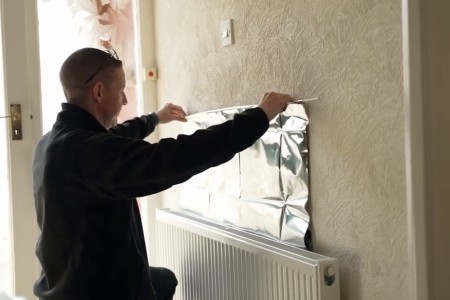
  • Fabric first (insulation): sealing drafts and insulating walls or lofts to trap heat.
  • Controlled ventilation: preventing moisture buildup to avoid mould while retaining warm air (avoiding the "tea cosy" effect where trapped moisture causes damp).
  • Low-Carbon generation & heating: combining air-source heat pumps, hot water cylinders, and solar PV panels to provide clean, low-cost power and heating.

What is a Heat Pump?

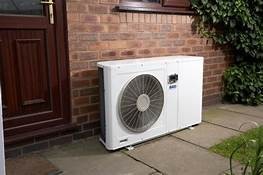
A heat pump acts essentially like a "reverse refrigerator." Installed outside the property and securely bolted in place, it extracts ambient heat from the cold outside air and transfers it indoors. Designed to meet safety regulations and sized specifically for the property, it offers a safe, efficient, low-carbon heating option.


Seasonal Living Tips: Staying Cool in Summer

Energy efficiency is not just a winter concern. As UK summers become warmer, preventing internal overheating in traditional homes is equally important:

  • Keep windows closed during peak daytime heat: Opening windows when the air outside is warmer than inside draws hot air into the property.
  • Ventilate in the Evening: Keep windows closed or on laths during the day. Open them wide in the evening once outdoor temperatures drop to let cool air circulate overnight.


How to Start Your Home Energy Improvement Journey

Navigating retrofits independently can feel overwhelming. Homeowners and landlords are encouraged to follow official pathways to find the right solutions:

  • Review your energy performance certificate (EPC): Your EPC provides a preliminary list of recommended energy efficiency improvements.
  • Access grant support: Schemes such as the Warm Homes: Local Grant and local authority funding streams can assist with installation costs for qualifying households.
  • Seek impartial advice: Consult expert advice teams before committing to major works. The Cosy Homes Advice Team or Greener Homes in Lancashire can help with this.


Where to Find Advice and Support

If you are struggling with energy bills or want to explore retrofitting your home, several local services are available:

  • Rossendale Valley Energy: For residents in Rossendale seeking energy advice, community benefit schemes, or referral information, visit the website or email [email protected].
  • Cosy Homes in Lancashire: Providing energy advice, retrofit assessments, and grant coordination across the wider Lancashire county - apply online today.
  • Citizens Advice: Offering independent support for energy bill debt, benefits checks, and housing support.
Warm Natters Video Thumbnail Episode 3

Warm Natters Podcast

This article was created from episode 3 of the Warm Natters podcast.

Apply now

Who do you pay your council tax to?

Helpful information for cosier homes

Help and advice to save money on your energy and bills

Cyril the Squirrel, Cosy Homes mascot
Gradient banner

This site uses cookies to monitor site performance and provide a more responsive and personalised experience. You must agree to our use of certain cookies. For more information on how we use and manage cookies, please read our Cookie Policy.