5 Common Home Energy Myths Debunked
6th October 2026
With energy costs continuing to affect households across Lancashire, finding reliable ways to lower bills and keep warm is a top priority. However, outdated misconceptions about solar panels, heat pumps, and everyday energy habits often prevent residents from getting the most out of modern energy-efficiency measures.
Here we break down five of the most common energy myths and set the record straight with practical, cost-saving facts.
The reality: While a south-facing roof receives the most direct sunlight, solar panels generate electricity from daylight - not direct heat or bright sunshine.
Solar PV (photovoltaic) systems can be installed on almost any roof orientation to deliver noticeable energy savings. In conservation areas or properties where the front elevation cannot be altered, installing panels on the rear roof elevation remains a highly effective option.
What’s next for solar? "Plug-in" solar panels designed for balconies and flats are here. Already widely adopted across Europe, these single-panel solutions offer an accessible option for residents living in apartment blocks without full roof ownership.
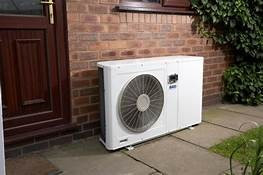
The reality: Modern air source heat pumps are quiet, highly efficient, and cost-effective when installed in a properly insulated home.
The reality: Leaving electronics plugged in and on standby mode can quietly add up to 10% of your total electricity bill over the course of a year.
Items like television sets, game consoles, microwave clocks, and plugged-in phone chargers draw continuous power even when not in active use. Getting into the simple habit of turning appliances off at the wall socket every night is one of the easiest ways to prevent wasted electricity and save money.
The reality: Remaining with the same energy supplier for years, out of habit or loyalty, often means paying significantly higher default tariffs.
Just like shopping around for a mortgage or insurance deal at the end of a fixed term, regularly reviewing your energy supplier and switching tariffs can result in substantial yearly savings.
The reality: While replacing single-glazed windows and drafty timber doors offers a smaller numerical jump on a property’s official Energy Performance Certificate (EPC) compared to major insulation, the practical and lived impact for residents is immense.
Upgrading to double-glazed units and modern energy-efficient external doors:
Many qualifying grant schemes across Lancashire cover window and door upgrades alongside core insulation measures.
Transitioning to new technology shouldn't feel overwhelming. Every measure installed through our schemes includes full support to ensure residents understand how to operate their controls efficiently.
For hands-on experience, residents can visit the Eco Hub in Blackpool to view working heat pumps and solar technology in person, or reach out to the dedicated CHiL advice line for tailored home guidance.

This article was created from episode 5 of the Warm Natters podcast.


This site uses cookies to monitor site performance and provide a more responsive and personalised experience. You must agree to our use of certain cookies. For more information on how we use and manage cookies, please read our Cookie Policy.